|
|
|
|
|
|
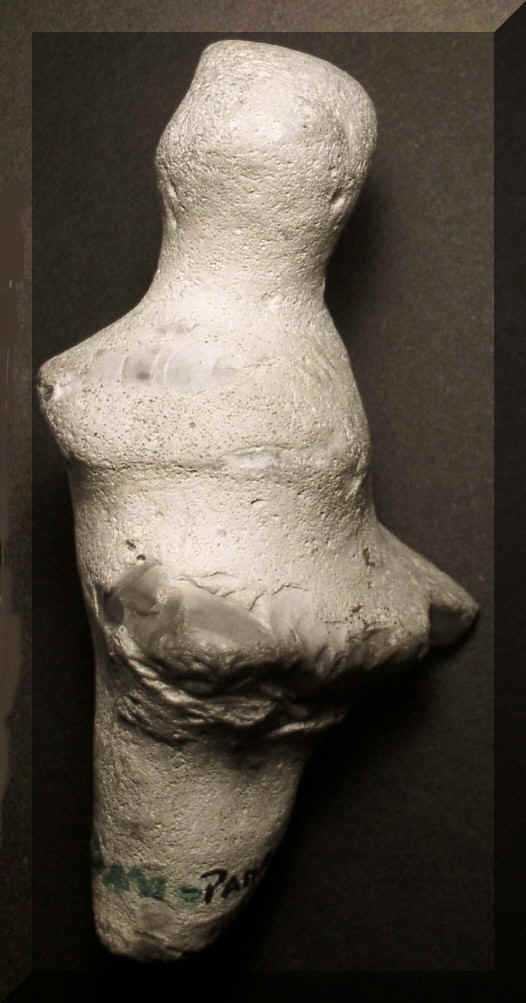
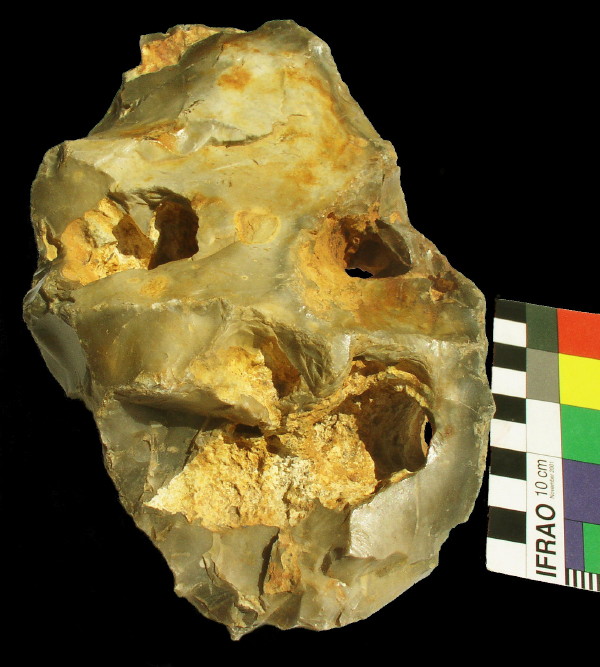
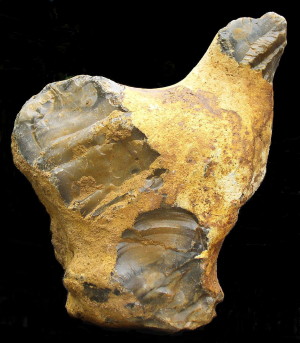
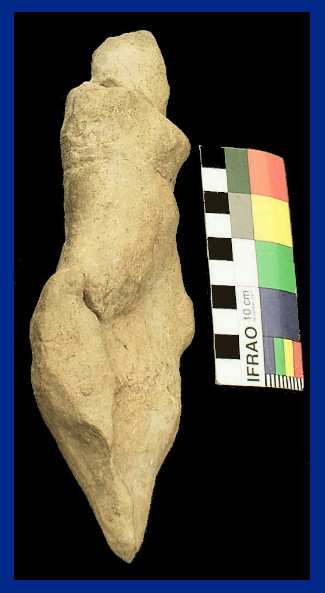
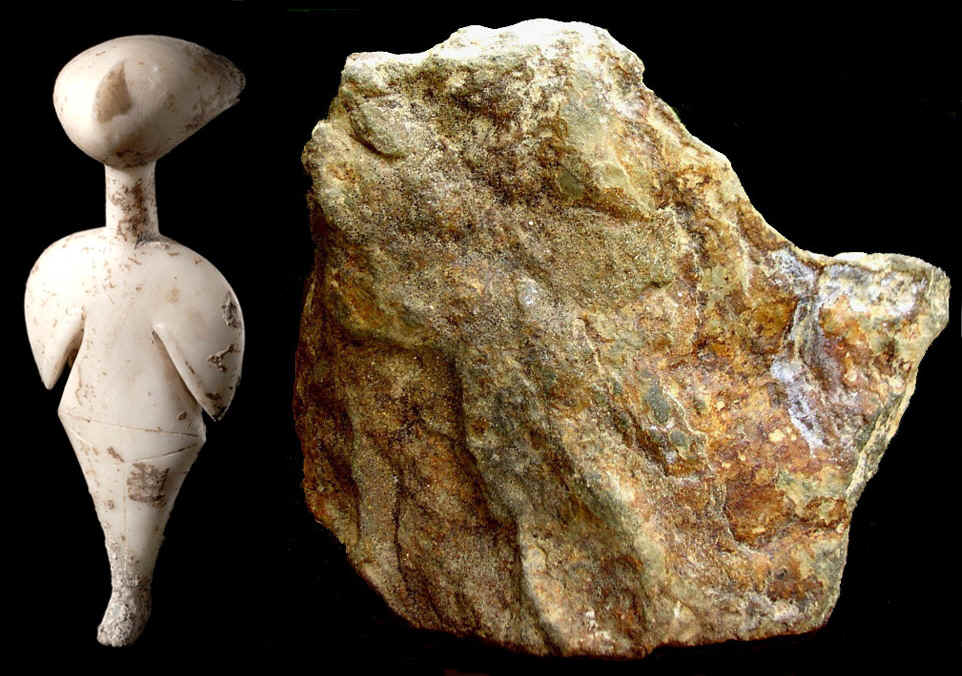
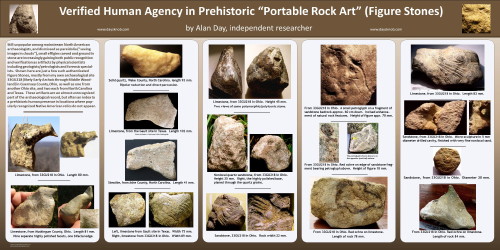
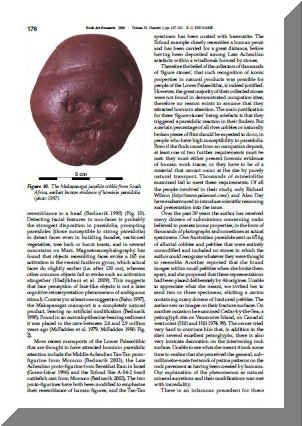
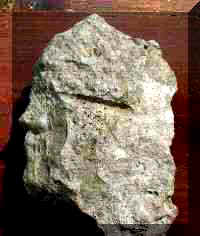
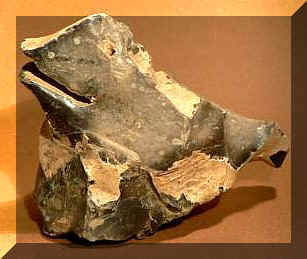
Some historical background on this artifact typology: In the nineteenth century Jacques Boucher de Crèvecœur de Perthes, an avocational archaeologist in France, conclusively demonstrated with the help of professional geologists (to the dismay and anger of the archaeological establishment) that stone tools in that part of the world dated from the Ice Age, a fact now universally accepted in the archaeological community. Subsequent to this author's recognition of the iconographic artifacts at this Ohio site, he became aware that Boucher de Perthes had also noted that many of the French artifacts in direct context with the tools incorporated simple anthropomorphic and zoomorphic imagery, calling these "Pierres Figures", or "Figure Stones". This latter observation has since been almost completely ignored, and it remains pretty much de rigueur among modern archaeologists to summarily dismiss the many discoveries of these by competent avocational archaeologists despite the often clear imagery and accompanying unequivocal physical evidence of human workmanship. (See, for example, these finds from northern Germany.) In recent years the advent of the internet has allowed a worldwide exchange of images and data that clearly validate the presence of such artifact material and the consistency of its essential iconographic components and subcomponents. This author has adopted and applied Boucher de Perthes' term "Figure Stones" in presenting his own and others' finds for over twenty years now, and along with "Portable Rock Art" this seems to have become more or less the standard designation among those now pursuing this line of inquiry.
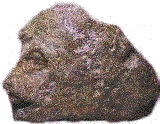
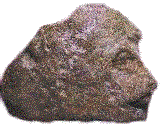
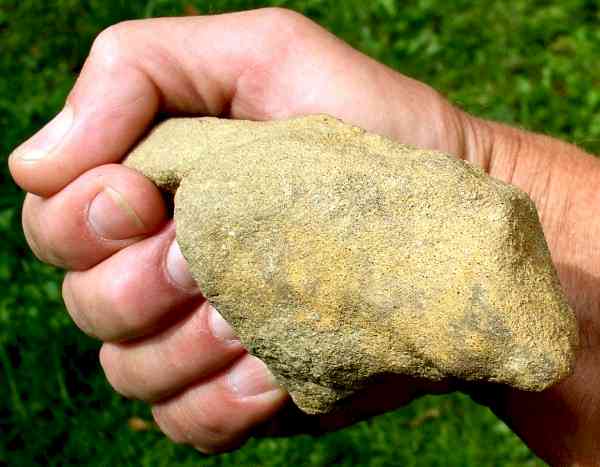
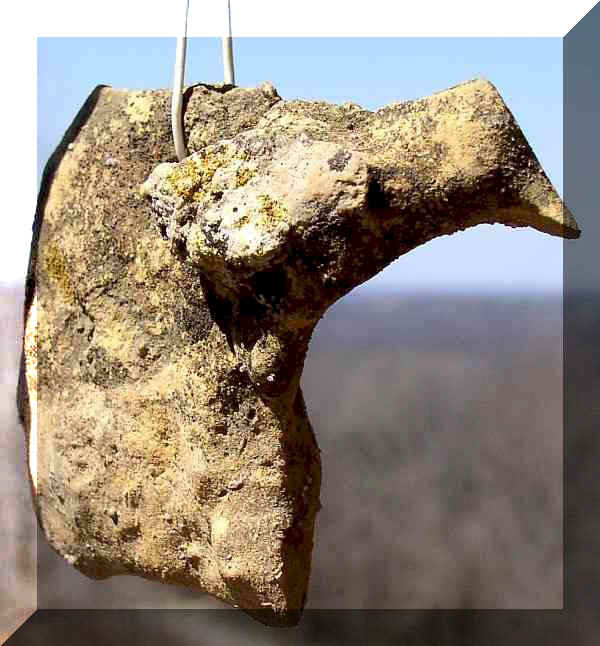
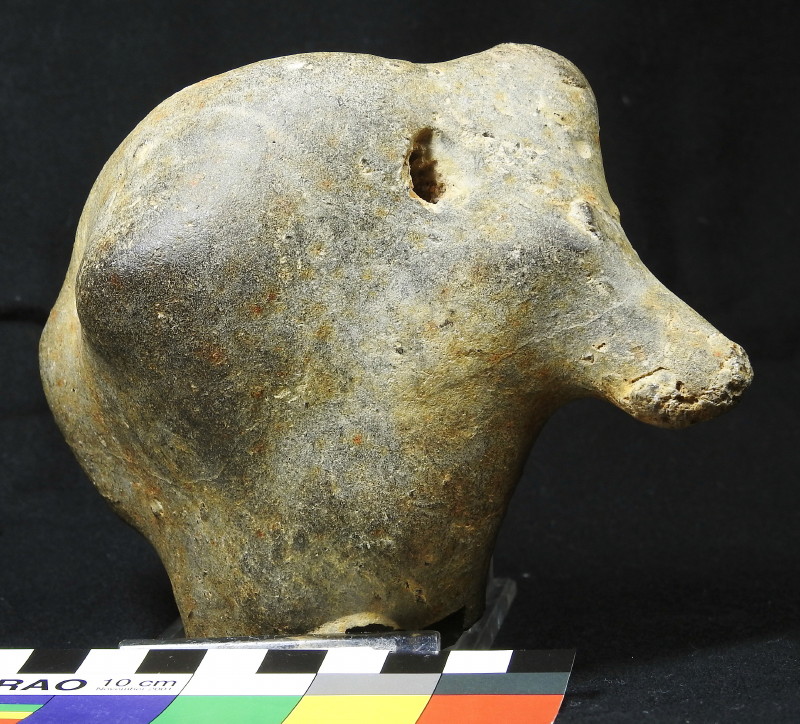
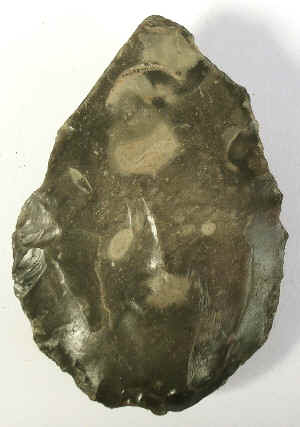
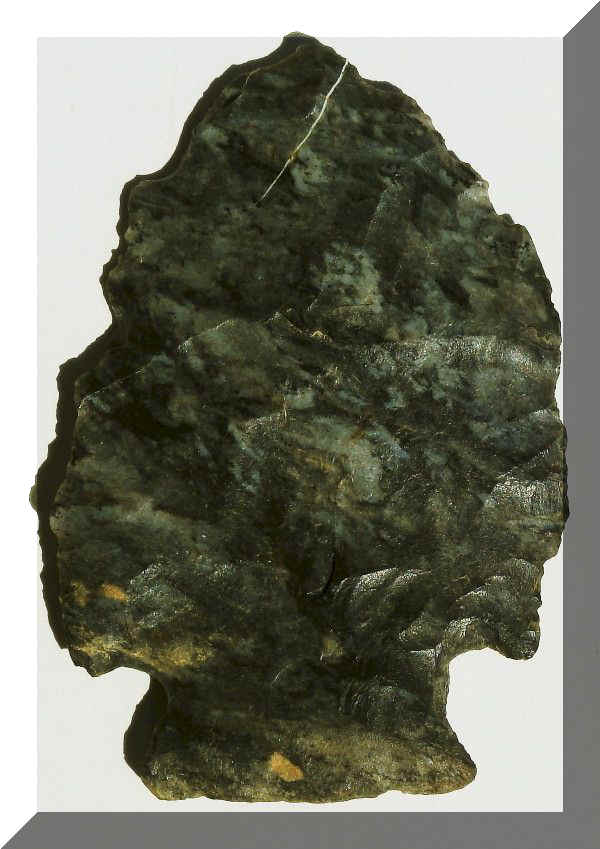
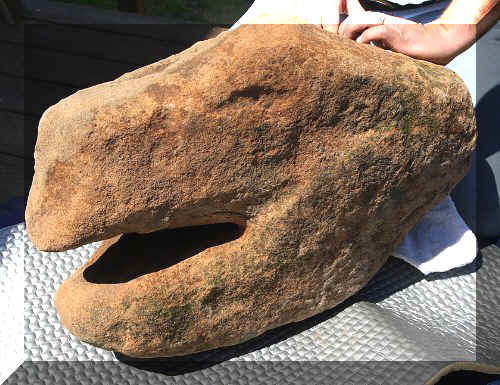
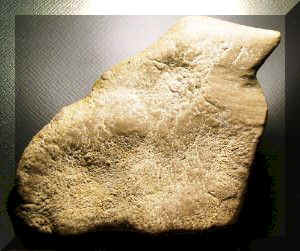
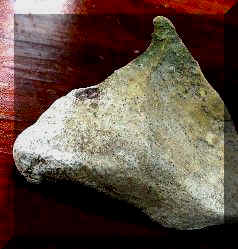
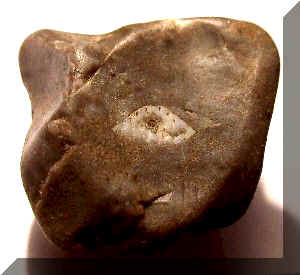
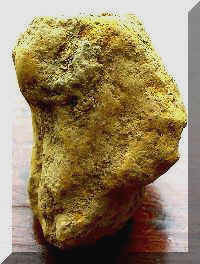
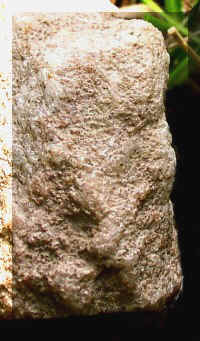
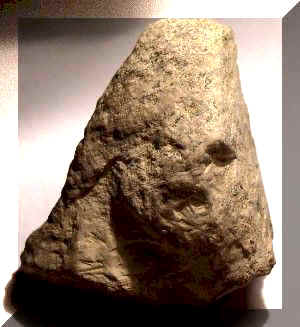
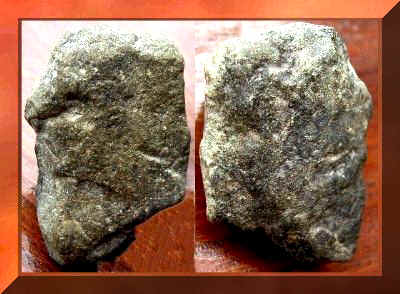
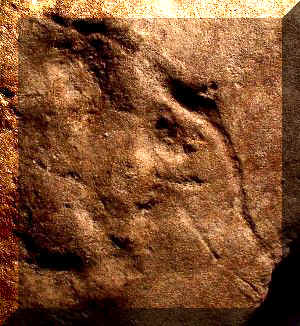
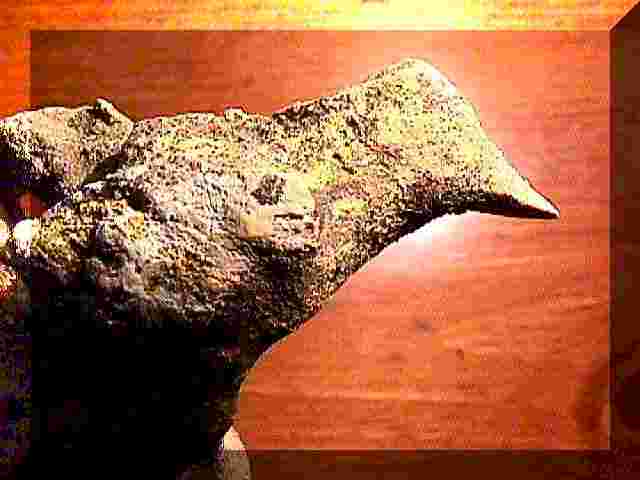
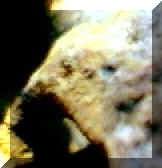
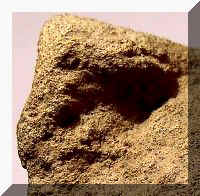
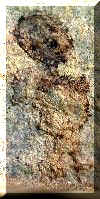
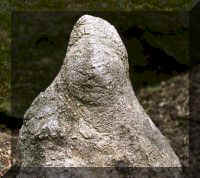
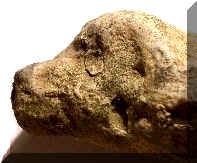
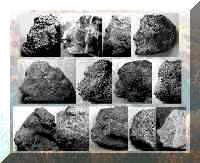
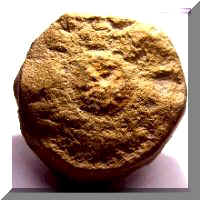
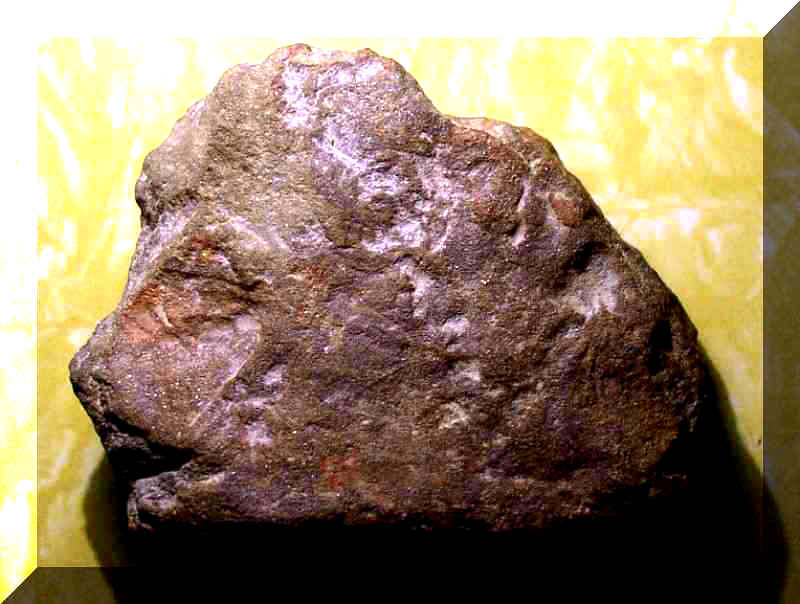
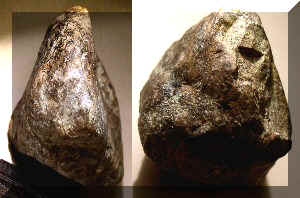
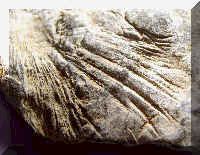
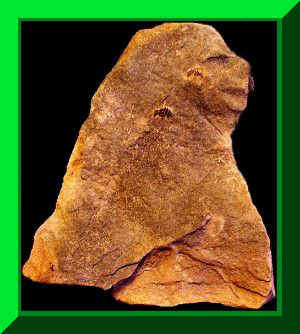
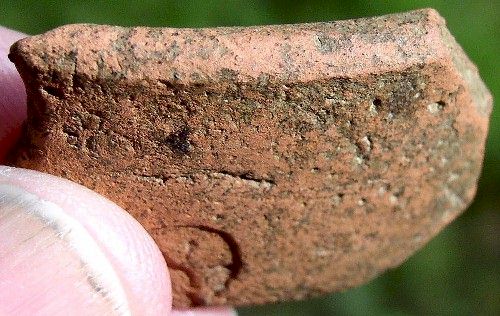
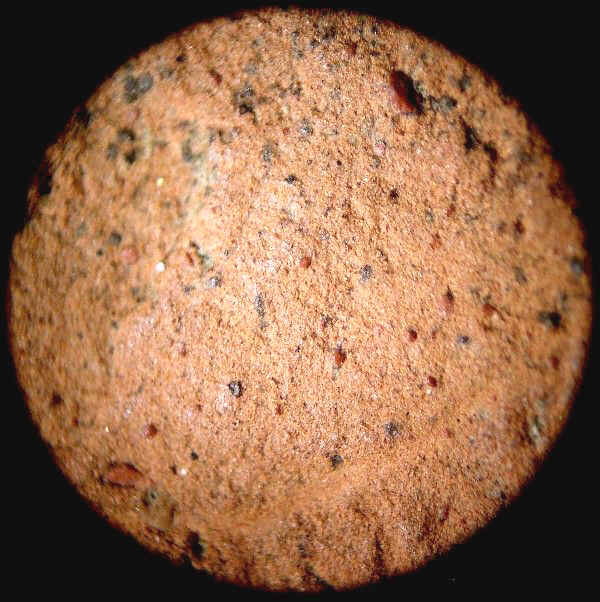
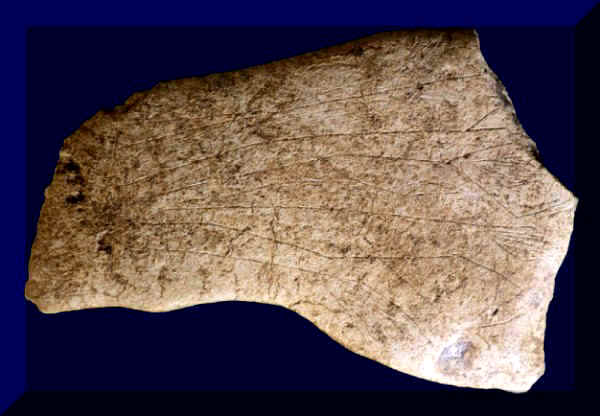
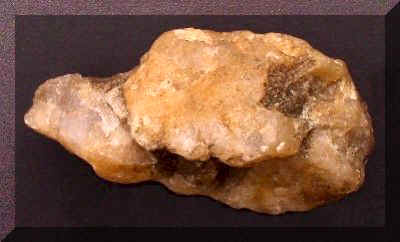
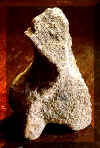
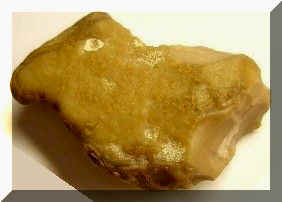
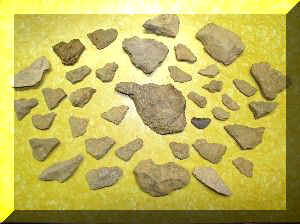
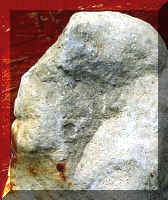
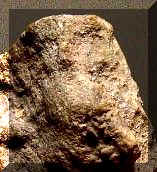
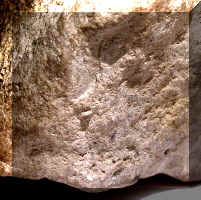
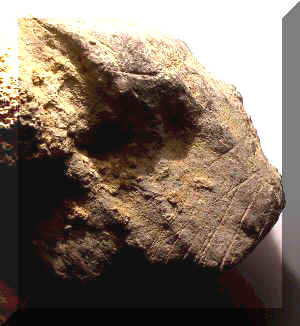
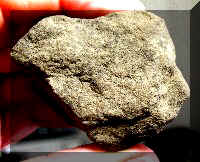
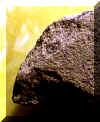
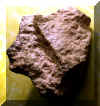
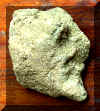
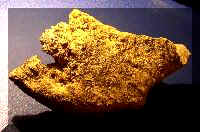
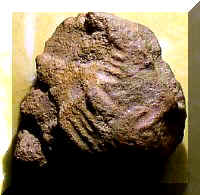
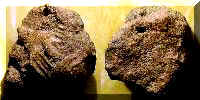
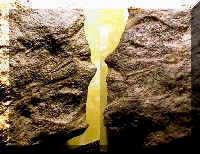
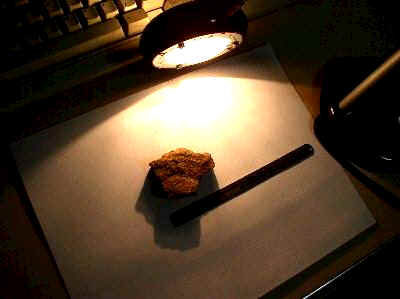
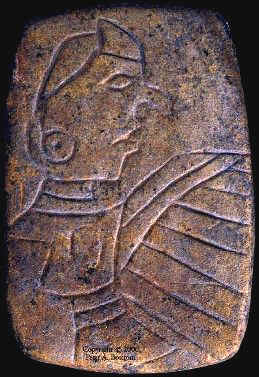
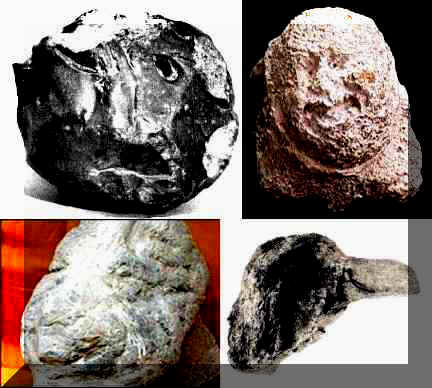
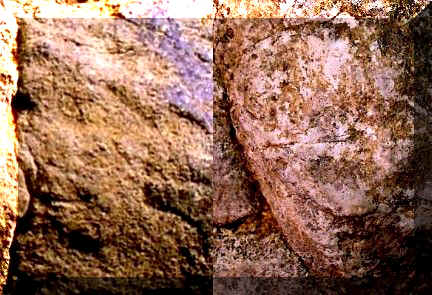
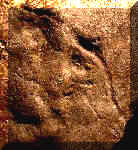
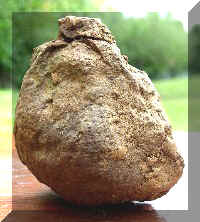
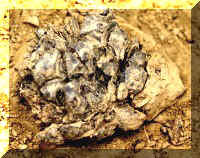
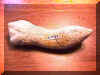
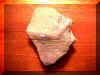
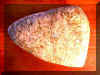
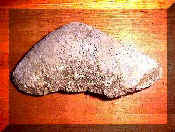
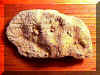
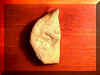
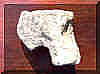
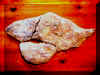
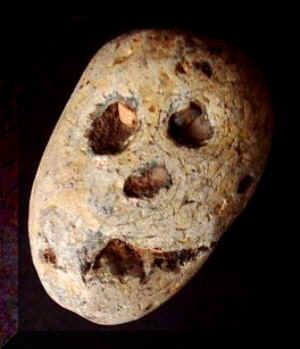
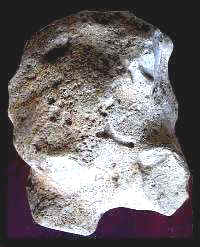
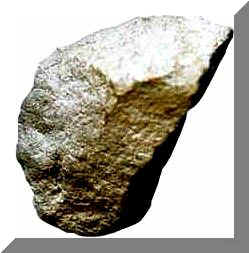
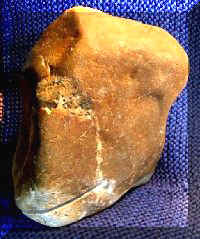
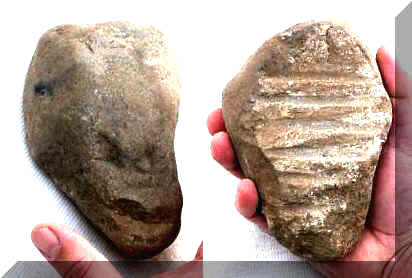
Some of the Artifacts from 33GU218 - click images to expand:
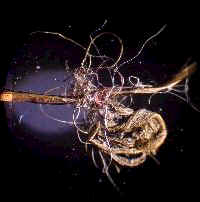
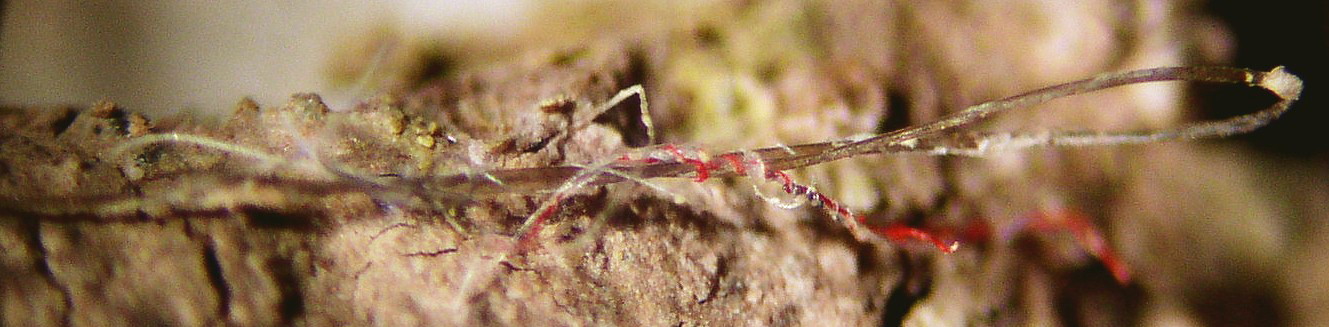
The age of most of the artifacts at this site has not yet been conclusively determined, but their quantity, consistency of form, distinctive carving marks, and representation of bird and shaman-like hybrid bird-human images indicate that they are of human manufacture. Several spirally fractured deer bones have been unearthed, indicating human activity. Human remains in the form of hair, usually dark brown when not faded, have appeared in direct context with the lithic artifacts. Some of the hairs were submitted to the Center for the Study of the First Americans, where in November 2003 Dr. Robson Bonnichsen identified them as human. In 2004 genetics researcher Dr. Tom Gilbert, at the Univ. of Arizona (now at the Univ. of Copenhagen), attempted mitochondrial DNA analysis of a dozen hairs from the site, but unfortunately none of their DNA had survived, despite their outward appearance of being in good condition. It is hoped that hairs might appear that have somehow been protected from moisture, freezing, and thawing. One of the hairs remaining after the necessarily destructive attempt at DNA extraction has been verified by Dr. Scott Moody, professor of forensic biology at Ohio University, as being obviously human and apparently quite old. Dr. Moody also identified artificially dyed plant fibers in direct context with the artifact material.
Whatever the age of this material might prove to be, it seems to point to an important if unrecognized anthropological and cultural phenomenon - the almost ubiquitous shaman-like bird-human figure characterizing the "rock art" at this site, remarkably consistent in its arrangement of readily identifiable sub- components. Strangely, this figure incorporates iconography quite evident in modern but traditional Inuit/Yupik art, and also present in European Paleolithic artifacts, as well as in Australian material of unknown age, apparently a Primal Image. (The presence of "portable rock art" or "mobile rock art" has long been recognized in European artifact material, and is starting to be seen for what it is at sites in North America. At this site and others, it is often incorporated into simple lithic tools.)
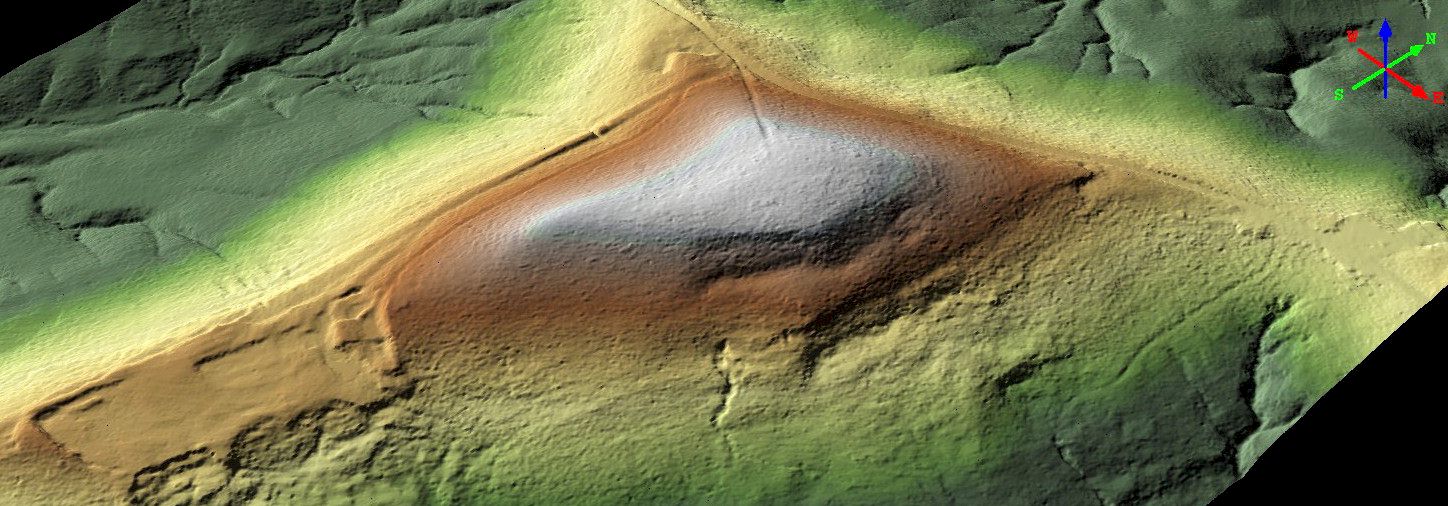
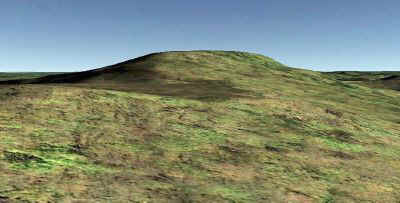
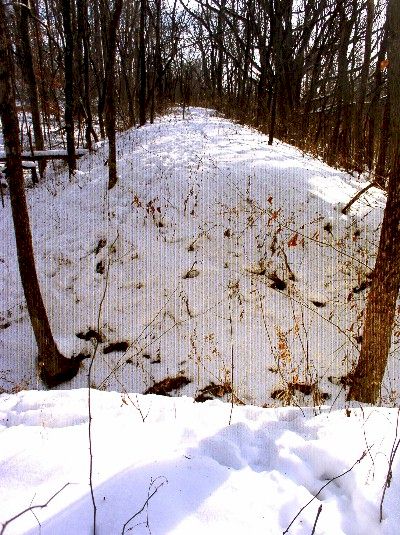
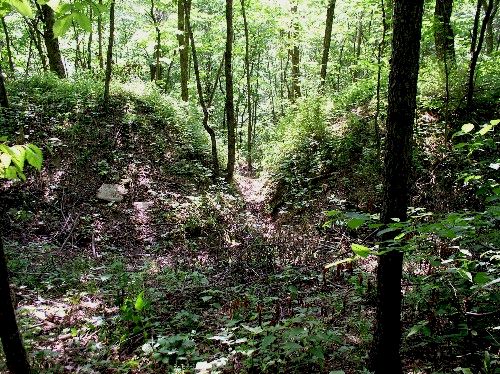
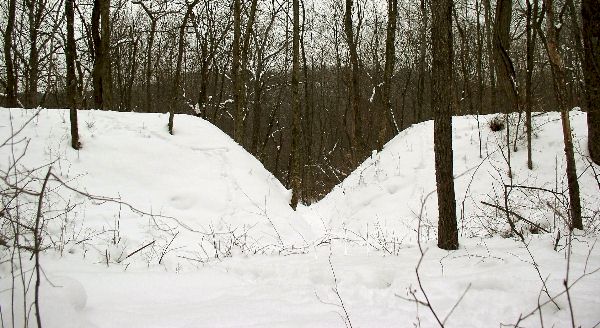
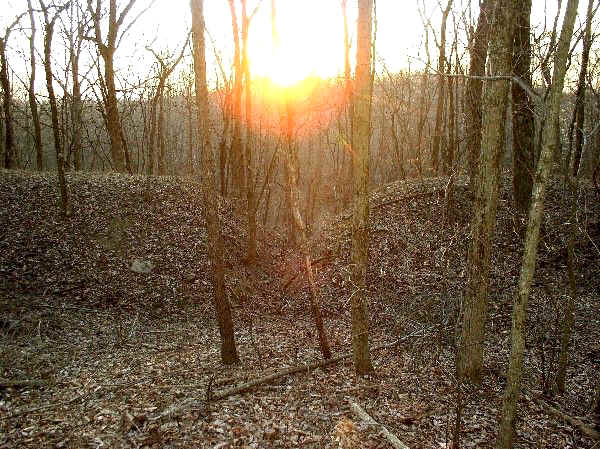
From the large quantity of lithic artifact material, it seems that this site, with its commanding view, ample water supply, and terraced eastern (sheltered) slope, may have seen more than just part-time habitation. Initially, the possibility of a "pre-Clovis" presence came to mind since while none of the popularly recog- nized "Indian" spear heads and projectile points had appeared, many of the human-modified stones of local and non-local lithology were professionally recognized as in fact being artifactual, with others having a very high proba- bility of being so. But subsequently, similar artifact material has appeared at other sites in direct context with points, blades, etc. temporally diagnostic of time periods as recent as Middle Woodland (roughly 100 BC to 500 AD). Nonetheless, the distinct similarity of the artifact material here to that at the Gault (Clovis) and Topper (pre-Clovis) sites leaves open the at least hypo- thetical possibility that the more deeply buried artifacts (apparently at at least a meter or so beneath the terrain surface) might predate the Clovis time frame. If not temporally "pre-Clovis", they certainly are technologically, and may represent the lithic tools from which Clovis and later technology evolved. And tools of this kind seem to have coexisted for a long time with the currently more recognized and familiar flint implements, serving when and where these were not readily available. At this point, the actual age of this officially unrecognized yet professionally verified artifact material is of less interest than the simple fact that it is present, but contextual evidence strongly indicates that in the upper strata it is Early to Middle Woodland in age, or very roughly two thousand years old. A large linear earthwork is present at the site, a symmetrical rounded wall roughly 6 m (20') high at its highest point and about 475 m (1560') in length. It is quite straight and oriented to true north-south. Such astronomical orientation and dimensions are characteristic of Late Archaic through Middle Woodland earthworks, as is the overall morphology of the structure, which includes a shallow trench along its east side (uphill toward the top of the knob). Below, a winter view across the passageway, along the length of the earthwork.
|
The lithic
artifacts found so far at Day's Knob are carved, chipped, flaked, split,
and abraded
mainly from the local limestone, sandstone, hematite, and limonite. Heavy V-profile incision
marks (seemingly decorative or symbolic in most cases) are a distinctive characteristic of this assemblage.
A few of the simple tools are made from
non-local igneous or metamorphic rock. The
site is well south of the glacial boundary, beyond the extent of
significant outwash; also, it is on a hill rising about 120 meters (400')
above any creek beds in which such material might appear. Apparently this material was imported by the site's
early inhabitants.
Why there are not more flint implements here is somewhat of a mystery, but it is evident that the hard limestone abundant at the site was adequate for the population's needs at the time (it is quite capable of cutting wood, for example); they just used what was there, and flint does not occur naturally in Guernsey County. Apparently they were unaware that 21st century AD archaeologists would not have approved their material for tool making. The original expectation was to deal here only with the artifacts appearing at Day's Knob, but it has subsequently (and not surprisingly) become clear that material of very similar form and incorporated iconography is to be found in many places in North America (as far away as California), and, initially rather unexpectedly, in other parts of the world. Among professionally excavated potentially "pre-Clovis" sites in North America, it almost certainly is present (even if not recognized) at Topper beneath the Clovis-age strata, and at Gault among diagnostically Clovis-age material.
Many visitors to this website, collectors and amateur archaeologists in the USA and even Europe, have contacted this author to show very similar material they have found. At least two in the USA had already independently recognized their finds as probable artifacts, and the European contributors (apparently having fewer preconceptions) had been doing this for quite some time (for example, among other longtime investigators, Ursel Benekendorff in Germany). Individual visitors' interpretations of the material vary widely (sometimes as naturalistic depictions of extinct animals, early hominin physiognomies, etc.), frequently differing from this author's rather conservative ones - but right now this is not so important. (And the "professionals" will eventually pontificate endlessly on all this once they become aware of it, and claim to have discovered it.) The objects from this site are, for the most part, clearly artifactual and of essentially the same morphology and incorporated symbolic motifs, particularly significant in the context of the early habitation of North America. And the overall implications for the worldwide migration timeline are obvious. Some of the visitors' contributions (no time to include all of them yet), and some of this author's finds from other countries can be seen by clicking these links: |
|
____________________ Bird Forms ____________________ In
many cases the functional tools
at 33GU218 are formed at least abstractly in the shape of birds or
bird-humans, which apparently played
a dominant role in the belief system (animism/shamanism?) of the people that left these
mysterious objects behind. Most of the bird forms have a rounded or even
anthropomorphic face, but
the overall morphology, and an eye distinctly carved in the appropriate place, are unmistakable when one even casually looks for
them.
Bird-Shaped
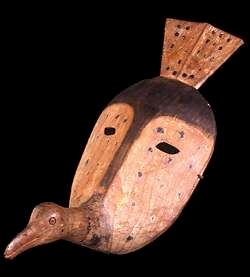
tools - click image for details. Tools and/or decorative/symbolic objects ("portable art") of this form have also appeared in other parts of the world; some of these are claimed to date from several hundred thousand years ago, and the easily recognized form persists in tools well into the Neolithic. ______________ Decorative/Symbolic Birds ______________ Besides being fashioned from rock, some of the primarily symbolic or decorative bird figures at Day's Knob are fashioned from various organic materials.
|
| The organic materials' state of preservation is good, apparently due to their having been packed tightly into clay of low acidity. This includes the verified human hairs that have appeared in direct context. |
|
|
|
Click image for details. |
|
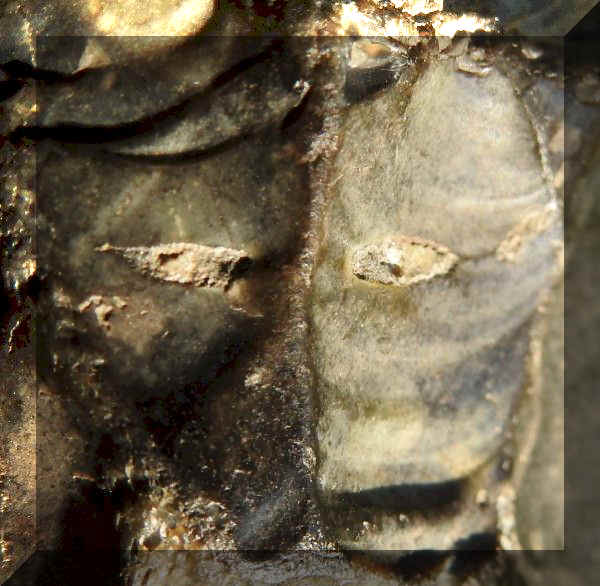
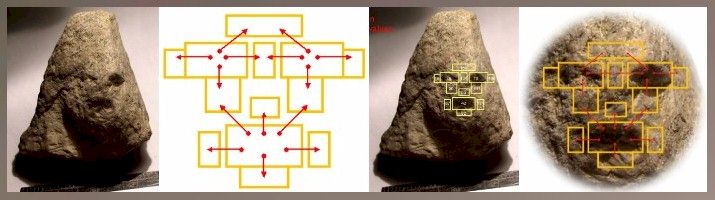
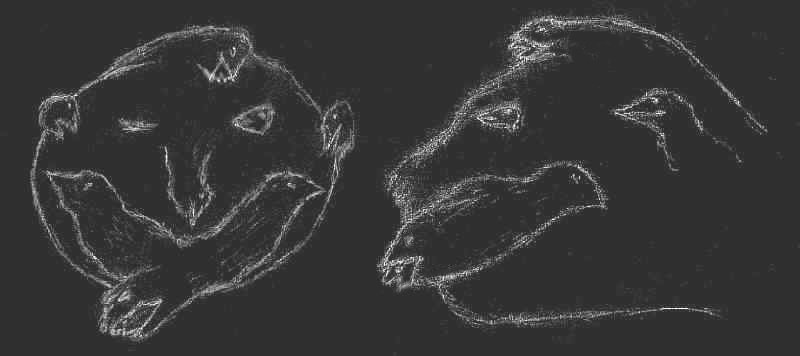
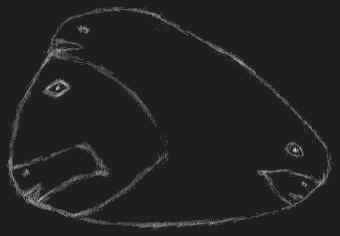
________________The Bird Spirit (Bird-Human)________________ Even more frequently than the actual bird form, the image of a hybrid bird-human creature appears - referred to here as the "Bird Spirit". (Since this author seems to have discovered it, at least in this context, he presumably can call it whatever he likes.) Whatever the age of this site might prove to be, the Bird Spirit image in itself is probably of considerable anthropological signifi- cance, being apparently of quite ancient origin. In artifacts of the European Paleolithic it appears consistently, resembling in small detail the image here, and persists quite identifiably into modern but traditional Inuit/Yupik ("Eskimo") "transformation art". (Actually, it has subsequently come to this author's attention that the Inuit and Yupik have been calling this bird-human figure "Bird Spirit", or even just "bird", for a very long time. Oops! So much for this author's originality...) The figure also appears in Australia, Asia, and other parts of the world, seemingly a Primal Image. For a while, this author was tentatively identifying numerous figures on stone tools as animals such as bear and wildcat. Then came the discovery of what appeared to be the image of a human head made of a hard clay/ochre/plant amalgam, half buried at the bottom of a washed out rut in the "driveway" up the knob, and quite distinct in composition from the surrounding mud. In its mouth were two distinctly detailed birds joined together, and it was adorned with several other small bird figures. Looking more closely at the mischaracterized "animal" images on the tools and large stone figures then revealed that these usually had mouths abstractly or distinctly shaped like birds, leading to the recognition of a highly standardized albeit stylized bird-human figure. The constant repetition of a complex and recognizable pattern was unmistakable. (A few of the Figure Stones here are, however, distinctly and naturalistically in the form of particular non-bird animal heads, e.g., rabbit, dog, bear, equid, human. And petroglyphs seem to include spider and mastodon.) The head of a Bird Spirit may be strongly anthropomorphic, with distinctly human nose and eyes at the front of the face, or more bird-like with an elongated head. In either case, it usually has a mouth rather than a beak. Often one eye is open and the other is shut. Below is a sketch of the general form, a simple schematic showing most of the typical components described in following paragraphs. (Unlike the people that created these objects, this author has no artistic talent. Do not laugh.)
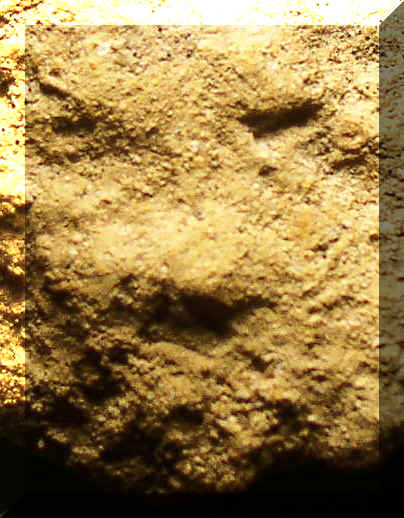
A Bird Spirit (or similar zoo-anthropomorphic) figure typically exhibits at least some of the following features shown below, apparently basic components in a set of Primal Images. Click on the underscored terms or the "thumbnails" for photos: |
|
____
A
bird or other creature facing forward (sometimes sideward) on top of the head, often suggesting
shaman headgear.
Click image
for details. ____ Click image
for details.
____ The
head of a creature emerging
from the belly of the primary figure.
Click image
for details.
____
A creature emerging from the posterior, in the manner of an
egg. Click image
for details. ____
Click image
for details.
___
A
mouth consisting of two birds conjoined most of the way back
from their heads, and facing away from each other with their heads forming or occupying the corners of the mouth. When the
figure is depicted only in profile (more common), the mouth has the form of a
single bird
facing toward the back of the head.
Click image
for details. ___
Sometimes
the mouth takes the form of a big toothy grin. Click image
for details. ____
____ A nose consisting of a bird or human-like head facing outward or downward.
____ A chin, if significantly present, in the form of another creature.
____ A bird or other creature on the side of the primary figure.
____
The figures typically exhibit symmetry in that the reverse side usually bears a similar image, at least thematically.
____
As is evident from the features described above, the figures are typically polymorphic/polyiconic - multiple images in one. The details of an image and its multiple components are often not deeply or distinctly carved, and are usually best visible (sometimes only visible) with the light source above the figure when positioned vertically. Sometimes when the figure is rotated 180 degrees, one image or set of images virtually disappears and another comes into view. The artisans clearly understood the interplay of light and shadow. While often varying markedly in overall appearance, the figures appearing usually exhibit the same general arrangement of subcomponents.
____________
____________ Inuit/Yupik (Eskimo) "transformation art" incorporates many if not most of the various Bird Spirit (bird-human) themes in the Day's Knob artifact material, like the very common bird-from-the-mouth below. A cultural affinity seems quite apparent:
__________________Human Figures __________________
____________________Petroglyphs ____________________
____________________ Rock Paintings ____________________
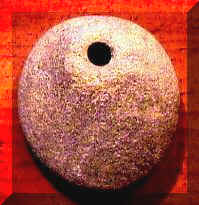
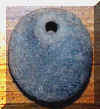
___________________ Personal Ornamentation ___________________ These are two pendants - one the image of a bird, the other a disk. The holes drilled in each are of the same size, and appear to have been produced in the same manner.
____________________ Micro- Art ____________________Some images are as small as a couple of millimeters, indicating remarkable visual acuity.
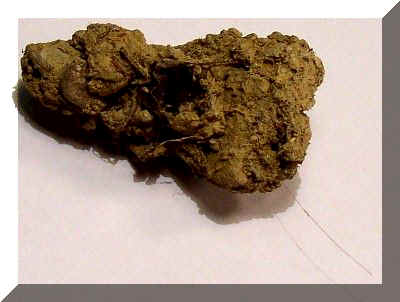
____________________ Clay Figures ____________________One of the more unusual (and certainly controversial) finds at this site is the many zoomorphic figures made from clay or a compressed amalgam of mud, ochre, and plant material. Some contain verified human hairs and/or artificially colored plant fibers.
Leaves and other plant material were sometimes attached, including a piece of pine cone in one case. (There are no pine trees currently at the site.) Apparently, packing the objects into the dense clay created a more or less anoxic environment that protected the plant material.
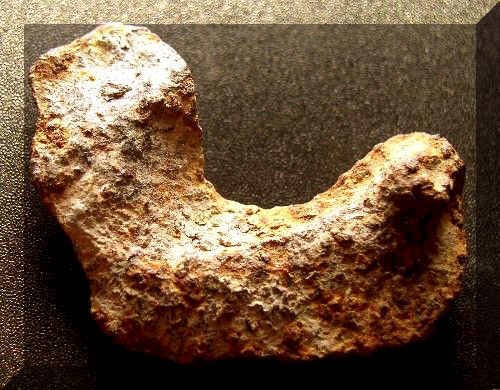
______________________ Iron ______________________Iron artifacts appear at the site, almost all of a non-utilitarian nature, and seemingly the product of direct-reduction smelting. (Speculative at this point.)
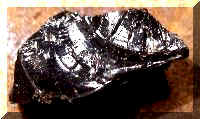
_____________________ Glass _____________________
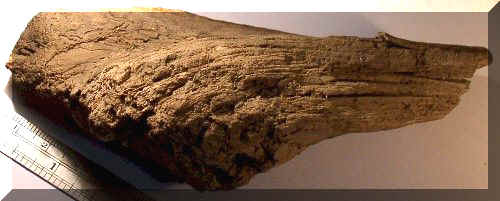
____________________ Wood ____________________Wooden bird figures, as well as cleanly cut and carved wooden sticks, often appear buried in the clay, rather well preserved in context with other artifact material.
Among the assemblage, several very general tool templates are evident. Since few of the implements are made of flint (which does not appear naturally in this area), they do not fit well into the classic "Indian" taxonomy, so this is only a crude attempt at classification (fitting square peg into round hole). Click on the links below for photos and/or expanded descriptions. (Please note: This part of the website is poorly developed, showing mainly low resolution photos of just a few of the earliest tool finds. There are better examples that will be posted later.)
Since there is evidence at this site of extensive earth moving and at least some plant cultivation, it seems likely that many of the tools were simply digging implements. Small Gouges and Picks: These are pointed implements contoured for right-handed thumb and finger grasp, often in the form of a bird or bird head.
Large Gouges: These are pointed or chisel-shaped right-hand implements contoured either for downward or for forward thrusting. Like the hand axes, they often exhibit the characteristic grooves and ridges for thumb and fingers.
Hand Axes: These have a bifacial bit edge and a wider, rounded proximal edge for right-handed grasping. The sides of the implement are often grooved and/or ridged for thumb on one side and fingers on the other.
Wing-Shaped Implements: These are flared trianguloids in a generally birdlike form, including scrapers, hand axes, gouges, and abraders. This is one of the most common templates in the assemblage, and maybe a precursor of the well known bannerstone.
Misc. Scrapers and Cutting Tools: These vary considerably in size and form. Most are more or less in the shape of a bird or bird head.
Semilunar Implements: These are celts, scrapers, or abraders with a bifacially beveled bit edge along the circumference, and a flat or more-or-less flat proximal grasping end. They are usually very simple, but are sometimes well detailed with contours and/or flanges for right-handed holding. The size range is considerable.
Sandstone Abraders: Hand-held or finger-held grinding tools apparently for surface reduction and forming of other implements and decorative/symbolic objects. These appear in huge quantity across the site.
____________________ ____________________ Although the implements are sometimes bizarre in appearance, close inspection reveals genuine skill, creativity, and attention to detail in fabricating a functional tool from the material at hand. It seems reasonable to assume that these tools were, when actually used, applied with considerable force over an extended period of time, and that sharp or rough edges against the hand or fingers would have been intolerable. On this assumption, an object at this site is very seldom classified as a tool unless it meets these simple criteria: It must fit firmly and comfortably in the right (sometimes but seldom left) hand, or, if small, in the fingers. When the object is held in a position in which there is such a fit, the bit edge or point must be in the appropriate orientation to perform its function. It is remarkable that, with the exception of some of the more amorphous sandstone abraders, the tools present at this site both meet these requirements and manage in many cases to recognizably if abstractly incorporate the ever-present bird or bird-human image. It seems that cutting the image was an integral part of the manufacturing process, as much so as making the point or edge and the grasping surface. It was seldom an intentional display of artistic virtuosity - just part of the routine, perhaps like forming the cross on hot cross buns. Assuming an animistic belief system, maybe it was just putting the spirit's image on the rock it was believed to inhabit. In any event, it seems that a rock was modified to incorporate both utility and symbology. In contemplating whether a given lithic artifact is a "tool" or a piece of simple "art", a fair amount of confusion has arisen because the concept of art is, relatively speaking, a very recent one in the course of humans' physical,
cognitive, and cultural evolution.
Seeing and judging what was left behind by people many thousands of years ago only through only the lens of one's own culturally conditioned perceptions will never lead to an understanding of what was really happening.
This author would propose that many of the puzzling worked stones (often called "portable rock art") that have been examined at this site and throughout much of the world, probably
many of which no longer show clear evidence of use wear, are both "tools" and "art"
or perhaps neither - just potentially if not always utilitarian objects that also routinely incorporate rudimentary iconography.
It has long been recognized, as in the Rift Valley in Africa, that early humans
(hominins) produced and left behind vastly more stone implements than were ever actually used, what would seem to be an almost compulsive behavior deriving from the fact that the manufacture of stone tools was a matter of everyday survival.
Perhaps an evolving animistic belief system (i.e., everything is inhabited by a spirit) and intellectual capacity for symbolic representation gave rise to the routine incorporation of simple imagery into potential tools.
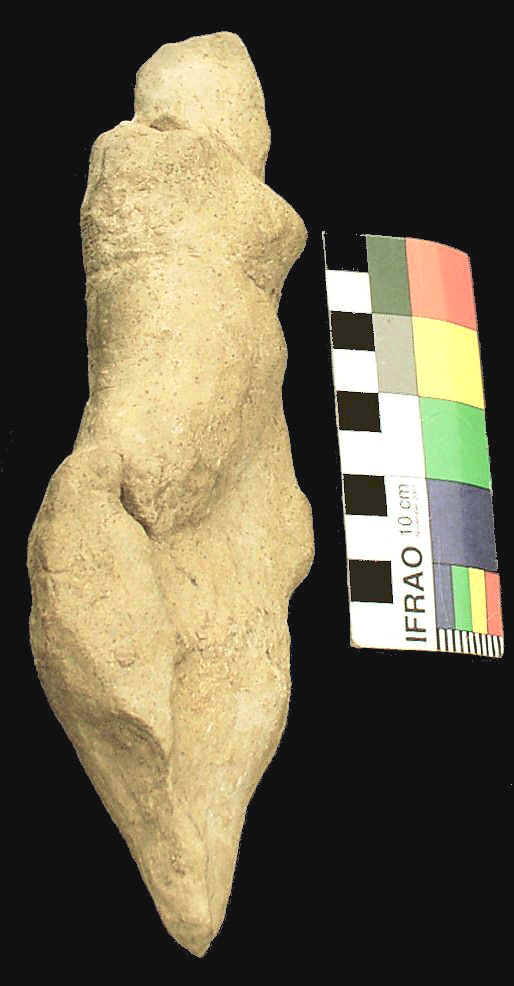
(This seems to have been in full swing by at least 450,000 years ago, judging from some of the European finds from reasonably secure stratigraphic context.) It is interesting and significant that recently European archaeologists have announced their realization that simple tools at Wilczyce and Lalinde/Gönnersdorf, showing no signs of use wear, are in the form of the long recognized "Venus" figurines that have appeared at various sites. The fact of the matter is that amateur archaeologists, free of the long- standing preconceptions, have been recognizing and publishing this relationship for decades. While the perceptiveness and insight of the professional archaeologists in this recent discovery certainly is to be commended, it seems that this announcement is, as is so often the case, a matter of assigning importance to a given discovery less on the basis of its archaeological significance than on the academic credentials of the observers. The presence of rudimentary "portable rock art" in the form of "tools" has long been rejected in Europe and elsewhere, this being "argumentation from absence"; no one (with a very few unpopular exceptions) in the professional/academic archaeological community had reported it, so it was assumed not to exist. ____________________ ____________________ The artifacts unearthed so far at Day's Knob have appeared mainly in these locations:
Most of the artifacts collected at this site have been cataloged or at least sorted by the location of their appearance, but a controlled dig remains to be completed. One 1x1 m square was started in 2003, with lithic objects logged by XYZ coordinates. This was left on hold, mainly because of the large quantity of artifacts that suddenly appeared as the result of heavy rains eroding the deeply rutted "driveway" up the hill, requiring full-time attention. Although barely started, this square has produced numerous clearly fabricated sandstone objects, most of them bearing the ubiquitous bird/human image.
____________________
____________________
Day's
Knob would have been
highly favorable for habitation, with its commanding view in all
directions, ample
water supply, and abundant lithic material, and it clearly was the site of
much human activity. However, it is hardly
unique. There are undoubtedly many other such sites in North America waiting to be
discovered by professional or amateur archaeologists willing and able to see
beyond the current and rather rigidly orthodox paradigm for aboriginal
American artifacts. (Topper
in South Carolina is almost certainly such a site.) Many photos of similar artifact material,
resembling that here in minute detail, have been e-mailed to this
author. If one were given to wild speculation, one might present
the heretical hypothesis that North America was well populated before the advent of the
diagnostically
"Clovis" implements. One way or another, it is seems
likely that the ground of North America will yield quite a large body of
heretofore unrecognized artifact material related to but morphologically
distinct from that popularly seen as Native American. Following their discovery by the archaeological pioneer
Boucher
de Perthes in the nineteenth century, simple figure stones have been
rejected and ignored by archaeologists despite forensically verified evidence of human agency.
This is a sad and almost inexcusable oversight given that figure
stones present an index to a site's early human presence where more
popularly recognized artifact material is not present. In short,
there is a lot more to all this than just "arrowheads". Note
to persons recognizing and collecting artifacts like those shown here
(or any other old artifacts, for that matter!): Please record the
exact location of each find (a handheld GPS unit can be quite helpful in
this). Place the find in a plastic "zip-lock" bag along
with a note detailing its provenience. Context is very
important. If the artifact is damp, let it dry out before sealing
it in the the bag. If you think you must clean it, FIRST look under
magnification (at least 10X) for adhering material of interest.
For example, on
several occasions at this site human hairs
and dyed plant fibers (sometimes intertwined with the hairs) have been found in the encasing soil or attached to the stone, even well below the current
terrain surface. This is fragile evidence of something quite
interesting, and you wouldn't want to destroy it. Cleaning
the inspected artifact gently with a
soft-bristled brush and rinsing carefully with distilled or at
least clean water is
usually safe. Obviously, using anything like alcohol or
bleach as recommended by the make-believe "Portable Rock Art Museum" is a very bad idea.
|
||||||||||||||||||||||||||||||||||||||||||||||||||||||||||||||||||||||||||||||||||||||||
|
|
____________________ ____________________
Please email questions, comments, and flaming arrows to
figurestones@gmail.com
| And please note: Being rather overwhelmed, I apologize for falling far behind in replying to and corresponding with the many visitors who have submitted comments and questions. Your input is welcome and valued, and I will try to catch up with all this. |
|
____________________ ____________________ Except for photos and quotations from other sources, the material presented on this website is exclusively the intellectual property of the author. However, you are welcome to share anything here if proper credit is given. ---- Copyright Alan Day 2003-2024 ---- ____________________ ___________________ |
Some
Interesting Links: