|
Figure Stones in
England
|
Richard Wilson Collection
Watford
|
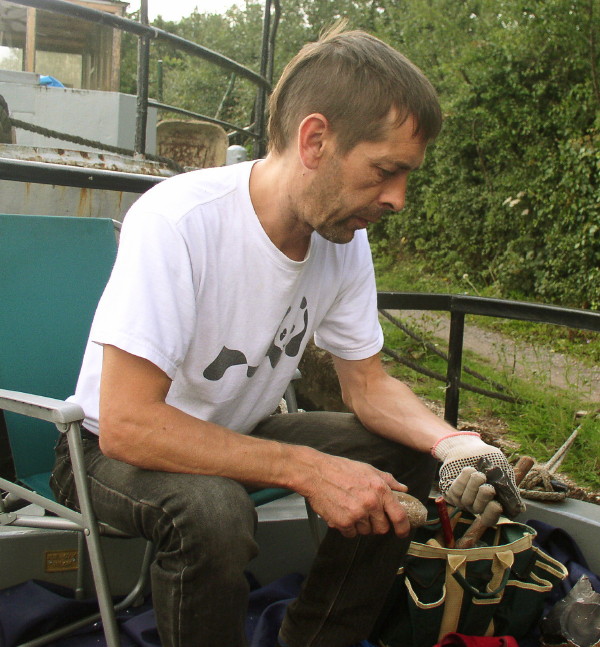
Richard has his own excellent website, well worth a look:
palaeoart.co.uk
For
several years Richard, a skilled flintknapper himself, has been investigating a surprisingly large
concentration of Paleolithic flint artifact material
appearing beneath the surface of his property in the Colne river
valley, all excavated from a 1m x 1m x 1m square. Much
of this lithic material incorporates the classic simple
zoo-anthropomorphic iconography characteristic of the
European Paleolithic.
He has carefully researched the geological stratigraphy
of his site, which was initially thought to
date from roughly 450,000
years BP. Recently, however, it seems
plausible that this could be from nearly 900,000 years
BP given that the venue apparently lies within the same
early river system (proto-Thames) as the Happisburgh
artifact finds from that earlier time period.
With
the assistance of lithics experts - including
professional geologists/petrol- ogists, actual physical
scientists - Richard
has demonstrated convincing evi- dence of human agency in
material that had been summarily dismissed by academic
archaeologists. (This would suggest that, in
distinguishing human- modified from naturally
formed rocks, British archaeologists are more
or less on a par with their American counterparts.
It should be acknowledged, however, that altogether the
relationship between professional and avocational
archaeologists is much more harmonious and productive in
the UK than here in the US.)
In
September 2010 Richard presented a well received paper and lecture
on his work
at the IFRAO's
Pleistocene Art of
the World Congress in France,
and in 2015 the Watford Museum near London
hosted an exhibition of his Palaeolithic Figure Stones
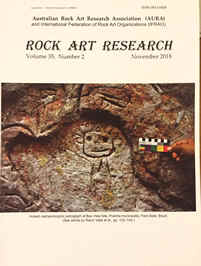
from Fontmaure. He has published on the
Fontmaure artifacts in the
peer-reviewed journal Rock
Art Research. The article is available HERE.
Richard
and I have been in correspondence on both our projects
since 2006 when he contacted me via this website, having
noted the clearly not coincidental pre- dominance of
apparently worked lithic bird forms in his
assemblage. We have shared a lot of joy in the
discoveries, as well as, of course, much amused frus-
tration in
dealing with the archaeological/academic
"establishment".
|
____________________
____________________
|
|
|
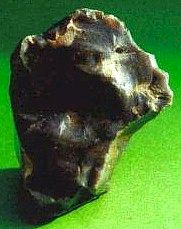
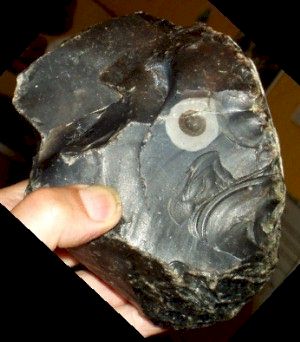
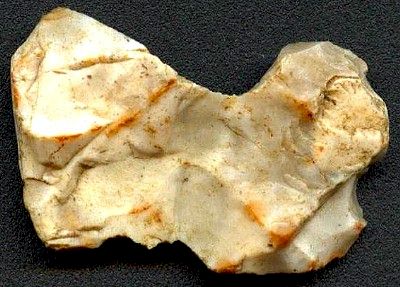
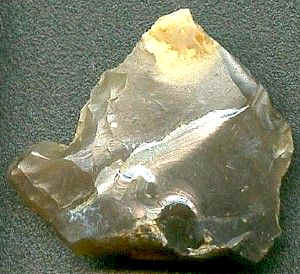
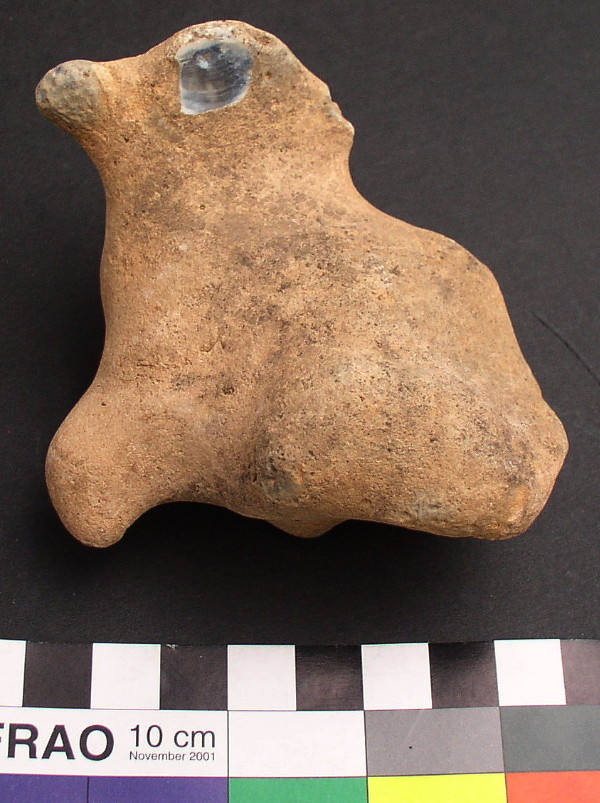
Above, a classic flint
bird from the 1x1x1 m square. |
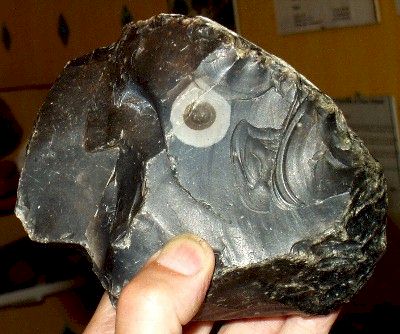
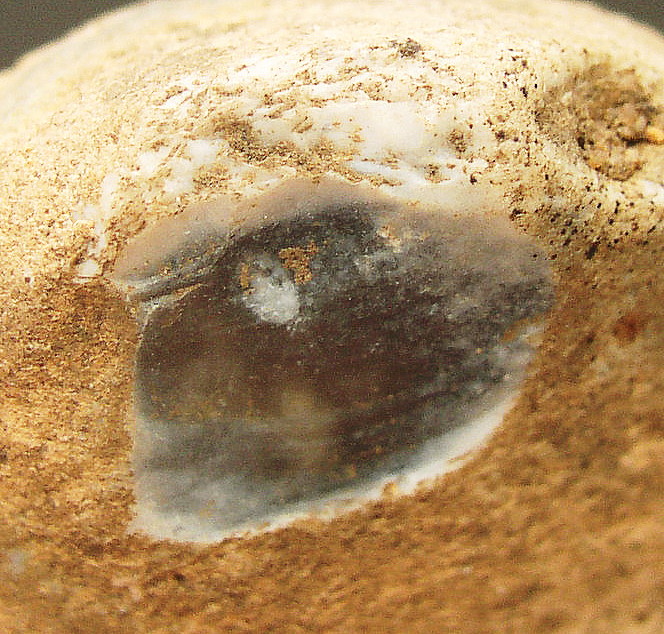
| Below, a close-up of
the eye showing the impact scar and ripples, and bulb of
percussion - clear evidence of human manufacture.
Fabricated eyes in the anatomically correct position are
very much a hallmark of Palaeolithic Figure
Stones. |
|
|
____________________
____________________
|
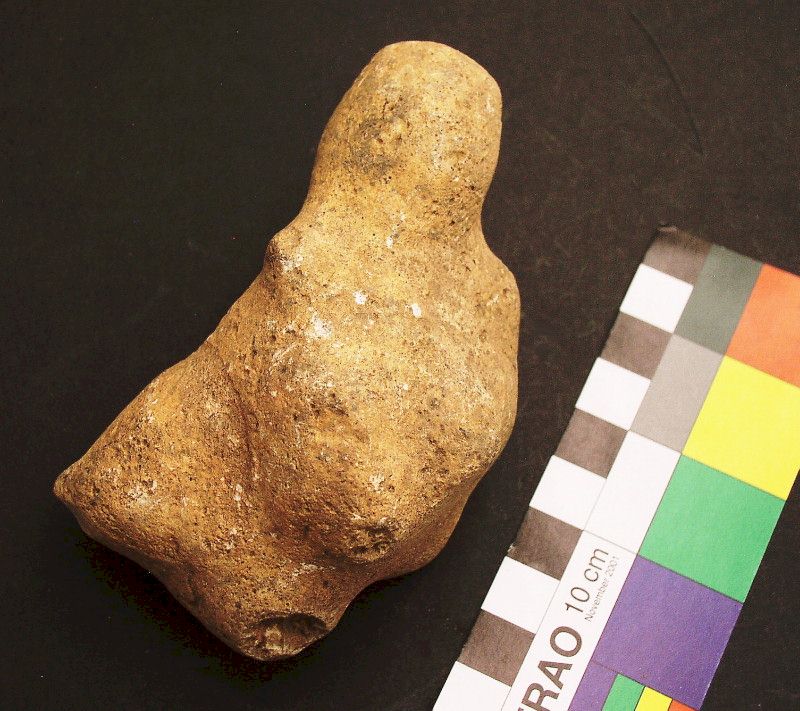
|
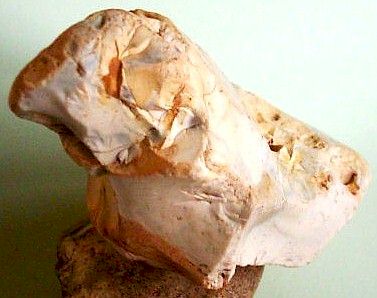
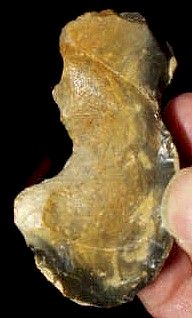
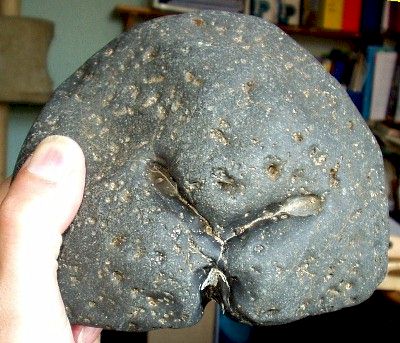
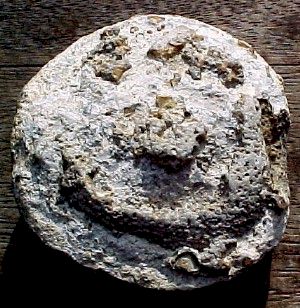
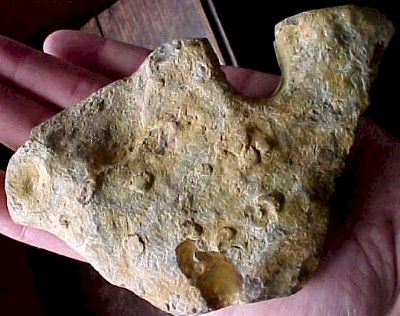
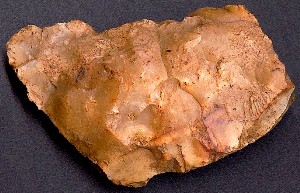
| An exceptionally nice
Bird-Venus, and maybe the oldest
detailed one I have seen. In the flint's cortex note the weathered but still discernable face, and the much clearer
one - two eyes and a mouth - emerging from
the figure's belly, as well as possibly a pointed
face emerging egg-like (in left profile) from
the posterior. Note also the probable vagina
represented bottom right. |
|
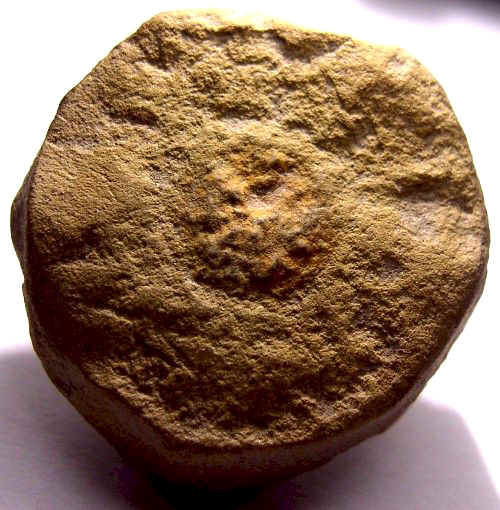
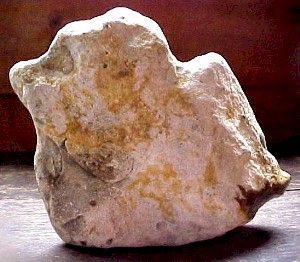
Below,
a piece in possibly the same theme but less detailed. |
|
All
photos above by Alan Day during a most interesting
visit in 2015. |
____________________
____________________
|
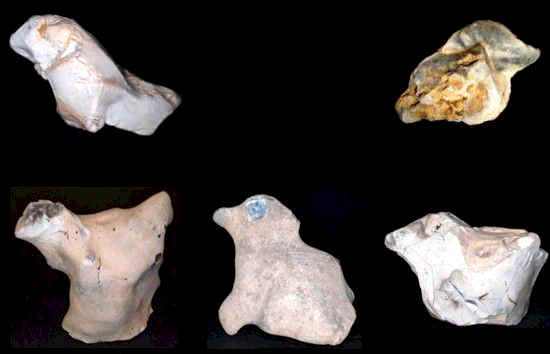
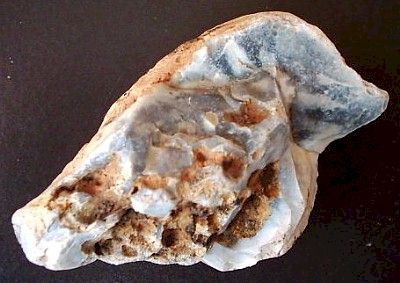
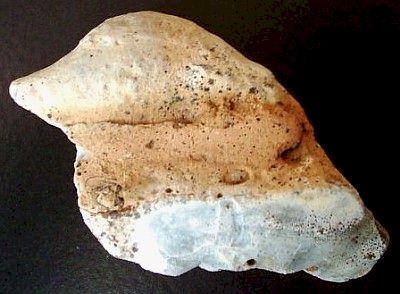
Below,
more flint birds.
|
|
|
____________________
____________________
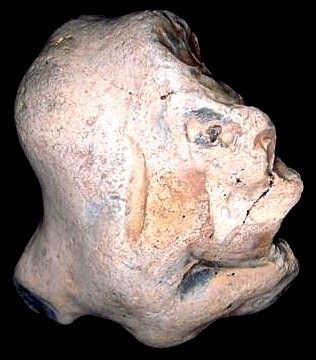
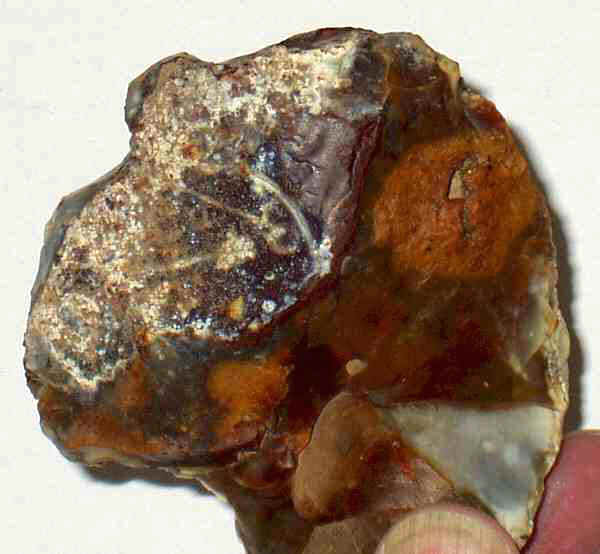
| Above left, a primal image appearing fairly often
among the
Figure Stones, an open-mouthed
quasi-human face staring upward at about a forty-five
degree angle (this author has dubbed it
"Stargazer"). Compare this with the figure on the
right from Ursel Benekendorff's
remarkable collection from northern Germany. |
|
|
Simon Parkes
Collection
Clacton
|
Flint, putatively
125,000 - 200,000 years BP
Characteristic
features: Facing left, face with round-faced creature
over
forehead.
|
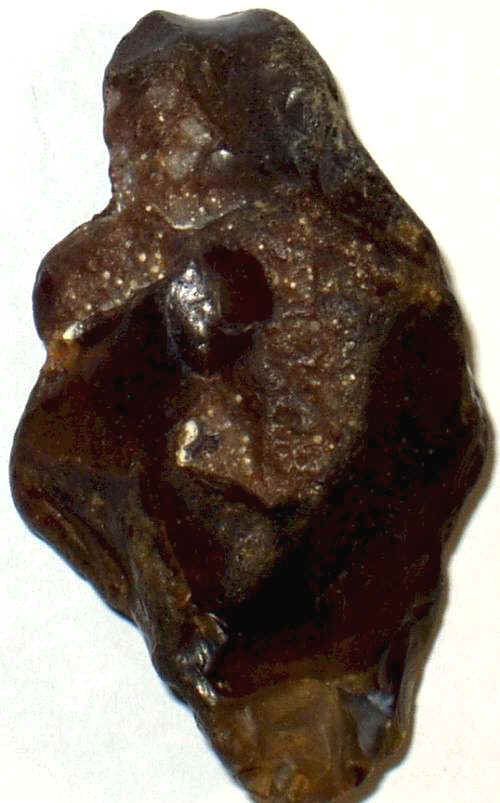
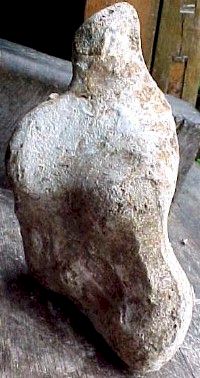
| "Venus" figure
in flint from deposits dated to ca. 425,000 years
BP. Character-
istic
features: Apparent figure emerging from belly, and
possibly one emerging egg-like downward from the posterior, both common
at the Day's Knob site.
|
|
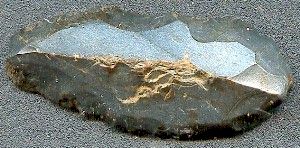
A flint
blade in the "Venus" form. |
|
Not
much guesswork required with this image... |
|
Basalt,
estimated age 125,000 years BP. |
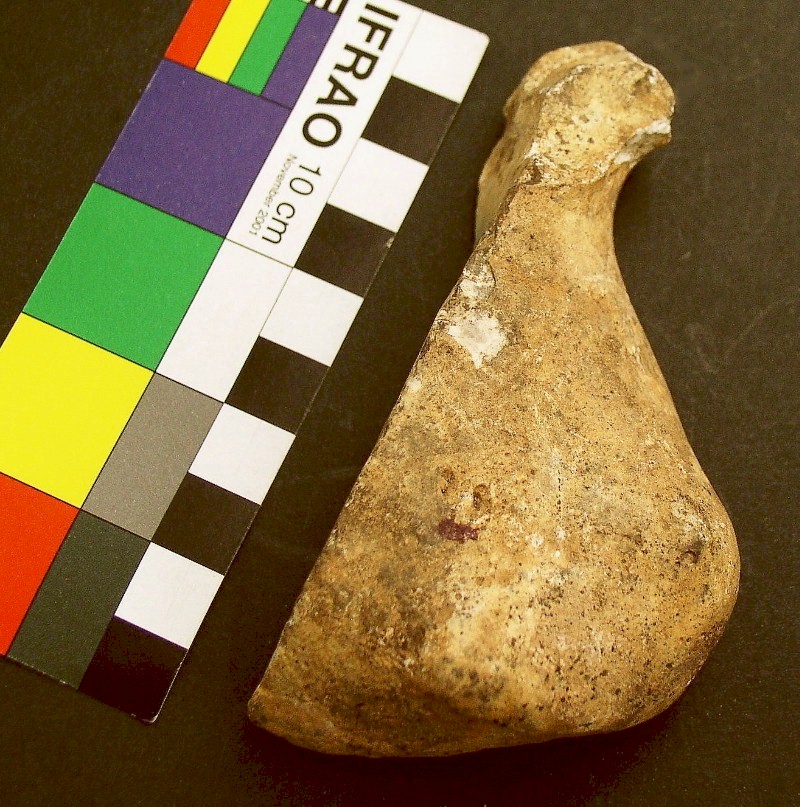
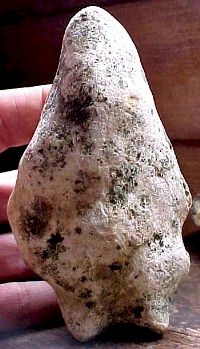
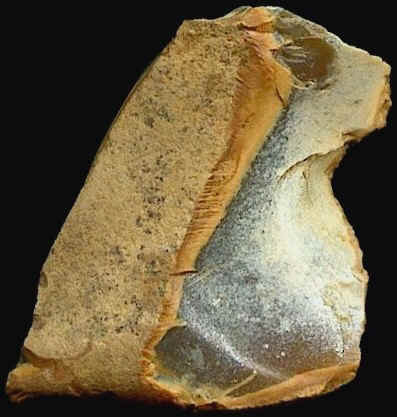
| A classic example of
the polymorphism/polyiconicity in Paleolithic imagery, this hand axe
or chopper has the appearance of an animal face. But rotated clockwise, the
figure presents a rather anthropomorphic profile, a wide
mouth deeply flaked in juxtaposition with
the naturally formed eye. A flaked mouth like this
one appears frequently on such pieces - a fair amount of
work serving no utilitarian purpose, but nonetheless
deemed important. |
|
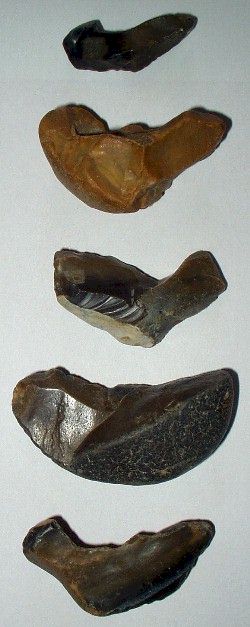
Bird-form Clactonian
flint tools from about 425,000 years BP, the longest
being about 6.3 cm (2.5") in length. |
|
|
David King Collection
From the Colne
River Valley Near London
| A "Sun Disk",
left, shown for comparison with one from the Day's Knob
site. Note the small figure (bird?) emerging from
the mouth on Mr. King's disk. This old Sun Disk
motif covered a lot of territory... |
|
'Venus"
figures. |
| The one on the left is
more or less the "classic". The other
strongly incorporates the bird form, and here the new
creature or spirit emerges from the posterior like an
egg. |
|
|
Steve Robinson Collection
Wellingborough
|
Flint
tool, length 4 cm (1.6"). |
|
Classic
quasi-anthropomorphic bird form. |
|
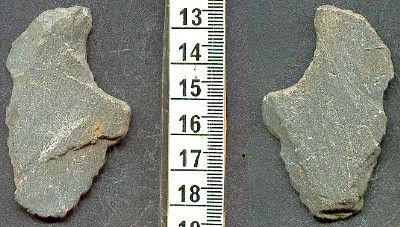
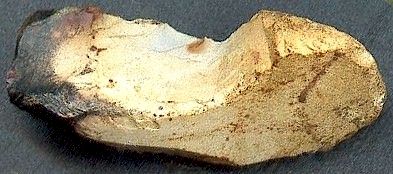
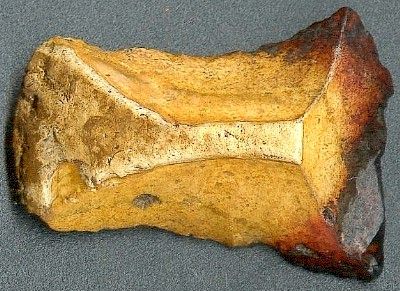
Two
flint tools and a slate piece in the same form. |
|
|
|
Apparently
burnt flint tools - 7 cm (2.75") and 5 cm
(2"). |
|
|
|
|
|
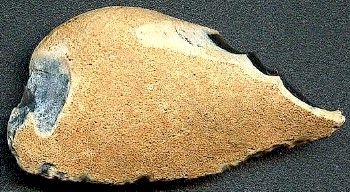
Flint
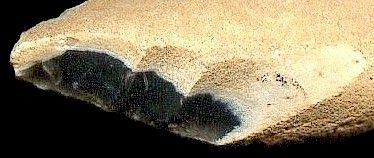
tool - 5 cm (2") - with close-up of parallel flaking. |
|
A flint
knife or scraper, length 4 cm (1.6"). |
| A flint scraper in the
classic bird form with a head emerging
egg-like from its posterior (lower left). |
|
Two
more flint tools - left, height 2.5 cm (1") -
right, length 7 cm (2.75"). |
|
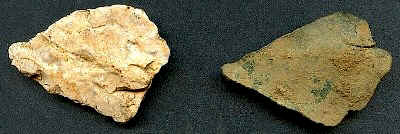
Small
artifacts of flint and bronze. Lengths 4.5
cm(1.8") and 5 cm (2"). |
|
Ceramic fragment, 5.5 cm (2.2"). |
|
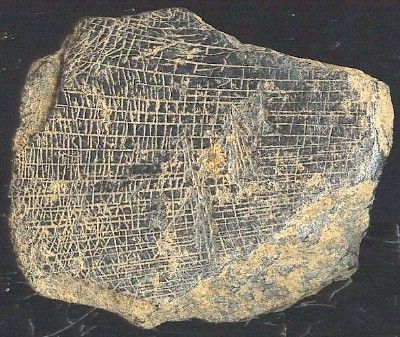
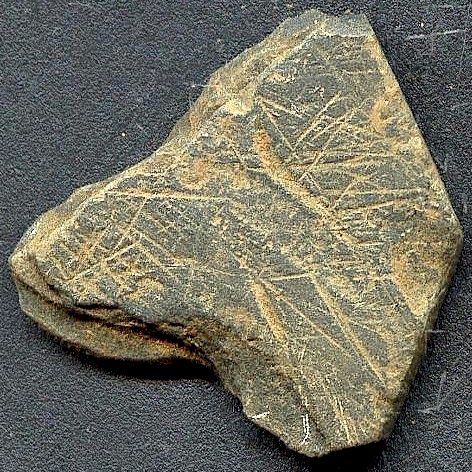
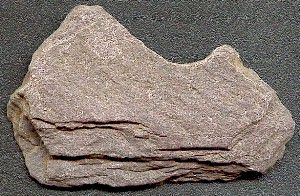
Slate artifact (tool?), height 4.5 cm (1.8"). |
|
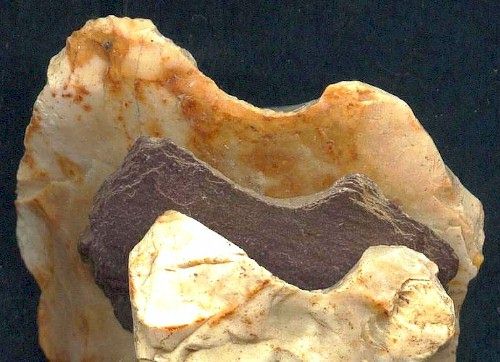
Slate artifact (tool?), 5 cm
(2').
Between two similar flint pieces. |
|
Another
worked slate piece. |
|
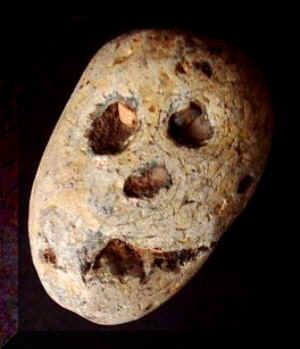
Strange
object, light in weight, composition not yet determined. |
|
|
Top
of Page
| Click your browser's
"Back" button to return to the point from
which you entered this page. |
HOME

|
|