|
Figure Stones
in Greece
|
|
Evia Island
|
|
Laios
Palingas Collection
|
|
|
|
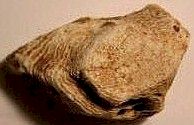
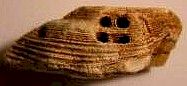
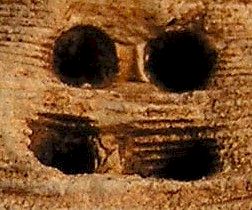
An oyster shell
carved in the form of a bird, with four drilled holes.
|
|
|
|
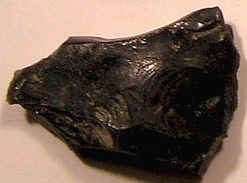
An obsidian
tool in the form of a bird.
|
|
|
|
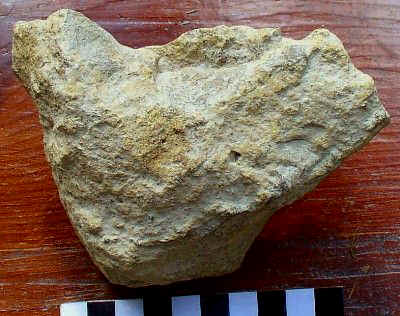
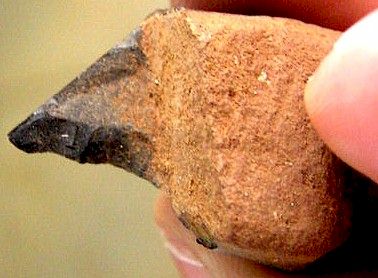
An abstractly
bird-form pick. |
|
|
|
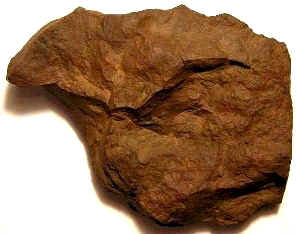
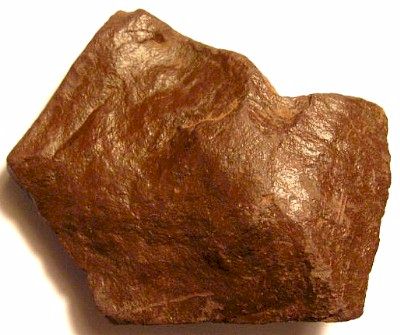
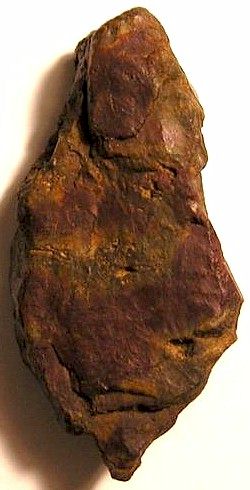
A classic simple
"Venus", an anthropomorphic figure (looking to the
right), crested (shaman-like), with a rudimentary anthropomorphic
face on the belly.
|
|
|
|
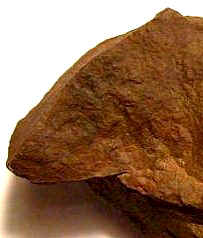
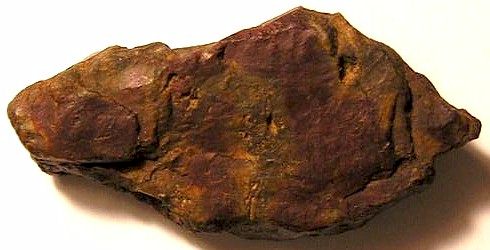
In typical fashion, rotated
counterclockwise the figure is bird-like with a face emerging
egg-like from the posterior. Early on, this author
discovered the repeated occurrence of this polymorphic/polyiconic
theme in
the lithic artifacts at 33GU218 in Ohio, naming it the
"Bird-Venus", apparently an important motif in a set
of these comprising Primal Imagery. Click
to see a big one in Ohio.
|
|
|
|
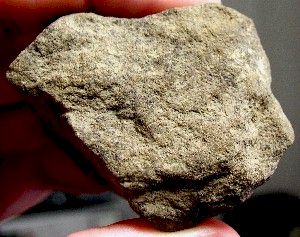
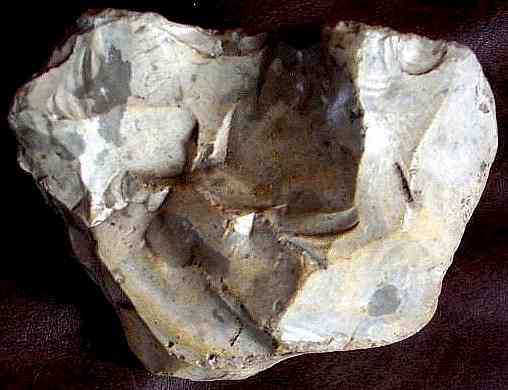
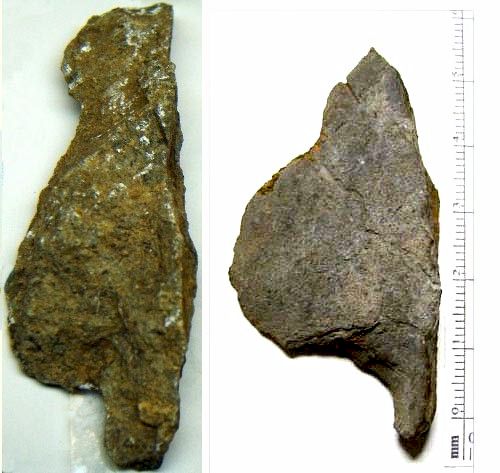
Right, a simple
pick tool from Evia incorporating the "Venus" motif
(would "Aphrodite" be more appropriate here?), and
left, a classic Bird-Venus with explicit face detail from the finds of David
Stauffenberg in North Carolina, USA. |
|
|
|
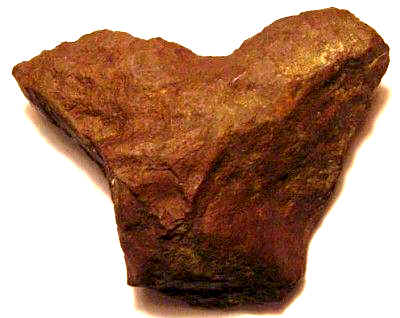
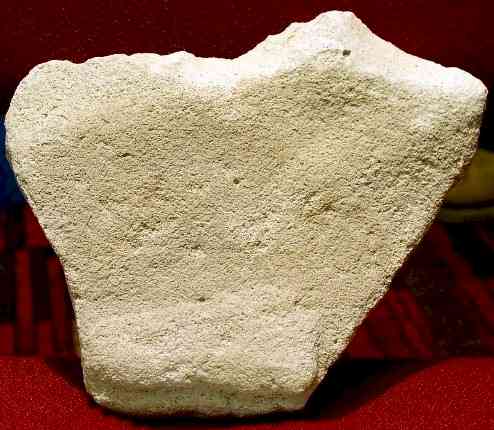
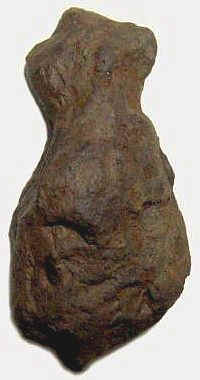
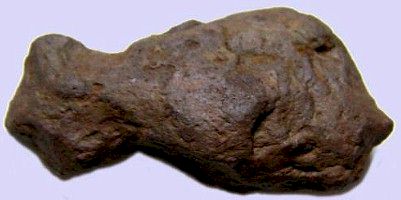
Another simple "Venus"
with an egg-like protrusion at the bottom, presenting a
zoomorphic figure (quasi-anthropomorphic fish?) when rotated
horizontally. |
|